

You walk into a room. The sofa has clean lines. The coffee table is low and uncluttered. Nothing screams for attention, yet the whole space feels intentional. That's modern furniture doing its job.
This guide breaks down what modern furniture actually is, what sets it apart from contemporary design, and how to bring the style into your home without overthinking it.
What Is Modern Furniture?
Modern furniture refers to furniture influenced by the modernist design movement of the early to mid-20th century, emphasizing clean forms, useful design, honest materials, and minimal ornamentation.
So what is modern furniture? In the simplest sense, modern furniture refers to pieces born out of the modernist design movement of the early to mid-20th century, roughly from the 1920s through the 1960s.
It rejected the heavy ornamentation of Victorian and traditional styles and pursued something new: form following function.
Modern furniture refers to a specific era and design philosophy. It's not a vague stylistic vibe. The Bauhaus school in Germany, mid-century pioneers like Charles and Ray Eames, and architects like Le Corbusier helped shape how chairs, sofas, and dining tables would look for generations.
That's one reason mid-century modern pieces can still feel fresh today. The ideas behind them remain influential.
The Defining Traits of Modern Furniture
Modern furniture has a few signatures you can spot quickly. Once you know them, the style becomes much easier to recognize.
- Clean lines and straight lines with very little ornamentation
- Neutral colors used as a base, with bolder colors introduced as accents
- Natural and industrial materials such as wood, metal, leather, glass, and stone
- Functionality first and decoration second
- Open, lower profiles that work naturally in open floor plans
- Sleek, functional silhouettes designed for everyday living rather than display alone
Notice the pattern. Every trait serves a purpose. Very little is added simply to make the furniture look busy.
That restraint is a major reason modern interiors can feel calm, intentional, and timeless.
What “Modern” Means in Furniture
Here's where people often get tripped up: modern doesn't simply mean new.
In furniture and interior design, modern refers to a specific period and design philosophy connected to modernism, industrial production, Bauhaus thinking, Scandinavian design, and what later became known as mid-century modern.
A chair designed in 1955 can therefore be modern. A chair designed last week may be contemporary rather than modern.
This distinction matters when you shop. “Modern” should describe a piece influenced by modernist principles, not simply furniture that was manufactured recently.
What Are the Characteristics of Modern Furniture Design?
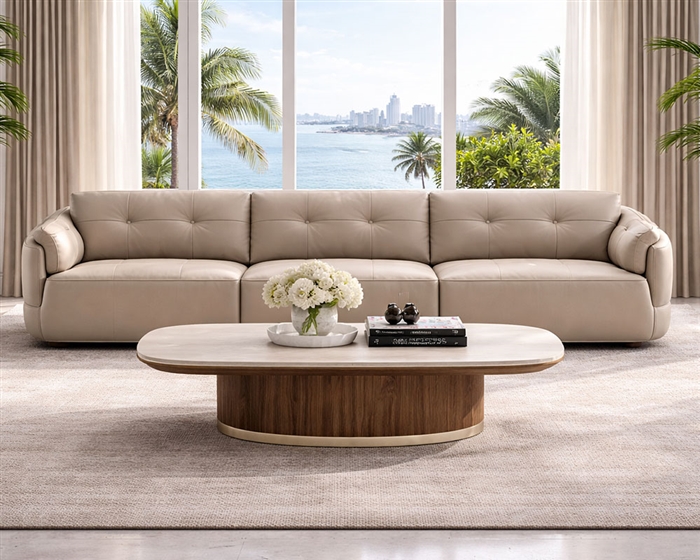
Modern furniture design has several defining traits that appear across different furniture categories. These characteristics help separate genuinely modern-inspired pieces from furniture that simply borrows part of the look.
Simplicity and Clean Geometry
Everything in modern aesthetics points back to simplicity. Square edges, smooth curves, limited carved trim, and very little fussy detailing.
A modern sofa does not need excessive decoration to make an impression. The form itself becomes part of the design. This is minimalism applied to furniture.
Honest Materials
Wood shows its grain. Metal remains visibly metal. Leather isn't disguised to look like something else. This honest use of materials sits at the core of modern design philosophy.
According to a Fast Company feature discussing MoMA's design collection, Paola Antonelli, Senior Curator of Architecture and Design at the Museum of Modern Art, considers form, function, and problem-solving utility when evaluating design.
That combination of form, function, and usefulness closely reflects the priorities that shaped modern furniture.
Function as the Starting Point
If a piece doesn't work well, it misses one of the central ideas behind modern design.
Mid-20th-century designers frequently approached furniture through real-world problems they wanted to solve. Function came first, followed by beauty. That approach continues to influence well-designed modern furniture today.
The Power of Modularity in Modern Furniture
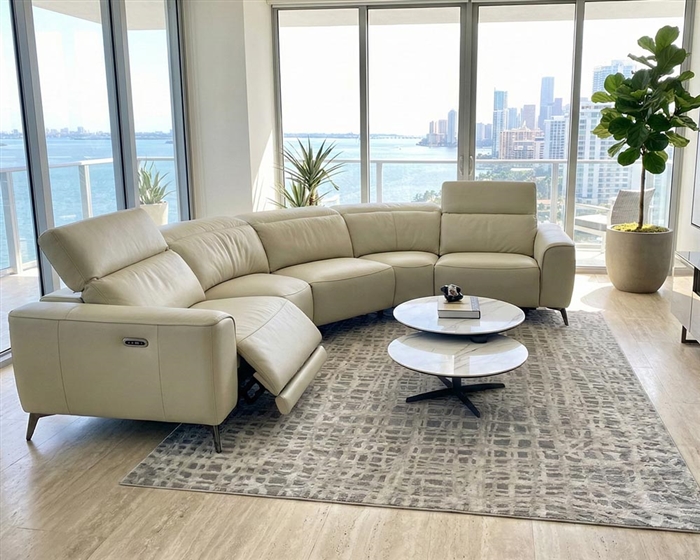
A lot of modern furniture is designed to adapt.
A modular modern sectional sofa can be configured to suit one layout today and rearranged when the room or household changes later.
Depending on the design, sectional components can separate into chairs, chaises, or individual seating modules when you want to use the room differently.
That adaptability is one reason modular furniture fits contemporary homes so well, particularly when rooms need to serve more than one purpose.
Why Modularity Works
- Adaptability: Furniture can respond to changing room layouts.
- Space efficiency: Individual modules can make better use of challenging spaces.
- Personalization: Configurations can be tailored to the household and its seating needs.
- Versatility: A room can transition more easily between everyday living and entertaining.
Why Modern Furniture Matters
Modern furniture matters because the movement helped change how people thought about living with their possessions.
Earlier formal interiors could place heavy emphasis on ornamentation, decoration, and visual ceremony. Modern design shifted attention toward openness, usefulness, light, and furniture that supported everyday life.
The simplicity of modern furniture also makes it adaptable. A thoughtfully chosen modern piece can remain visually relevant as surrounding colors, accessories, and interior trends change.
That combination of practical function and restrained design is one reason modern furniture continues to influence interiors long after the original modernist era.
Modern Furniture vs Contemporary Furniture
People frequently mix these two styles up. They're related, but they're not the same.
| Feature | Modern Furniture | Contemporary Furniture |
|---|---|---|
| Era | Early to mid-20th century; historically defined | The present moment; continually evolving |
| Look | Clean lines, structured forms, restrained ornamentation | Can borrow from multiple current styles and use more varied forms |
| Materials | Wood, leather, metal, glass, and stone | Can use the same materials plus newer composites and evolving materials |
| Color Palette | Neutral colors with intentional accent colors | Broader palette that changes with current design directions |
| Philosophy | Strong emphasis on function and purposeful form | Responds to current ideas, technologies, and aesthetics |
| Overall Feel | Timeless, restrained, structured | Current, evolving, sometimes eclectic |
Modern design is tied to a historical movement. Contemporary design keeps changing because it describes what is happening now.
A room can combine modern and contemporary furniture successfully. In fact, that mixture is one way contemporary interiors develop a layered, lived-in feel while retaining the structure of classic modern design.
How to Incorporate Modern Furniture in Your Home
Bringing modern furniture into your home doesn't require a complete renovation. Start with one or two anchor pieces and build from there.
Living Room
A sleek sofa with straight lines can reset the feel of the entire living space. Add a modern coffee table with a wood or stone top to visually ground the room.
A modern TV console in walnut, lacquer, or another streamlined finish can keep the entertainment area visually organized instead of cluttered.
Dining Room
For the dining room, a lighter modern dining table paired with chairs that introduce a gentle curve can reduce visual heaviness compared with more ornate traditional furniture.
Use a Statement Piece
In a more luxurious interior, a single statement piece can do much of the design work. A sculptural marble table, leather lounge chair, or unusually shaped sofa can become the visual anchor while the surrounding furniture remains restrained.
Quick Modern Furniture Styling Tips
- Start with a neutral base and layer in two or three intentional accent colors.
- Keep some floor visible. Furniture raised on legs can make a room feel lighter and more open.
- Mix textures such as wool, leather, wood, metal, stone, and glass.
- Avoid overcrowding. Modern interiors work best when furniture has visual breathing room.
If you're starting fresh, browsing modern furniture online allows you to compare different silhouettes, proportions, materials, and categories while planning the complete room.
Final Thoughts
Modern furniture isn't simply a current trend. It comes from a design movement that changed how furniture could combine usefulness, material honesty, and beauty.
Its defining traits—clean lines, functional forms, thoughtful materials, restrained decoration, and adaptable layouts—continue to make it relevant in today's interiors.
Whether you commit fully to modern design or mix mid-century modern furniture with contemporary pieces, the strongest results come from choosing furniture that works with your personal style and the way you actually live.
Pick pieces that work as hard as they look good.
Explore MH2G Furniture to compare modern furniture for living rooms, dining rooms, bedrooms, and other spaces.