

Not every chair is built for sitting upright at a desk. Some are designed specifically for the moments when your body needs to lean back, stretch out, and genuinely rest. That's exactly where the lounge chair fits in.
If you've been shopping for modern furniture online and stumbled across the term, you're not alone. “What is a lounge chair?” is a common furniture question, and for good reason.
These chairs blur the line between function and comfort in a way most other furniture can't. This guide covers what a lounge chair actually is, where it came from, the different types available, and how to pick the right one for your space.
What Is a Lounge Chair? Definition & Key Features
A lounge chair is a wide, cushioned seat designed for relaxed sitting or reclining. Unlike a standard dining or office chair, it's built specifically for comfort over extended periods.
Key Features That Define a Lounge Chair
- Reclined back angle that supports a natural resting posture
- Deep seats that let you sink in rather than perch upright
- Generous cushions across the seat, back, and often the arms
- Armrests wide enough to comfortably support your arms
- Ergonomic form designed around a more relaxed posture
How Is a Lounge Chair Different from Other Seating?
- Sofas: Seat multiple people, while a lounge chair is typically designed for one person.
- Accent chairs: Often prioritize visual impact, while lounge chairs place more emphasis on extended comfort.
- Armchairs: Usually have a more upright sitting position, while lounge chairs encourage you to lean back and relax.
The defining quality is simple: a lounge chair is built to promote relaxation. The form follows the body rather than forcing the body into a rigid seated position.
Origin and History of Lounge Chairs
The lounge chair's roots go back much further than many people realize. According to Wikipedia's entry on the chaise longue, early examples can be traced back to ancient Egypt.
The later European version developed in France, where the term chaise longue literally means “long chair.” The concept allowed someone to recline without going to bed.
The modernist era later reshaped lounge-chair design. Le Corbusier introduced the LC4 recliner in the early 20th century, while Charles and Ray Eames introduced their famous lounge chair and ottoman in 1956.
The Eames Lounge Chair is represented in MoMA's permanent collection. The Herman Miller design story also documents the intent behind its construction and comfort-focused design.
Types of Lounge Chairs
Not all lounge chairs serve the same purpose. The style you choose depends on your space, how you plan to use it, and what kind of comfort you're after.
Recliner Lounge Chairs
Recliner lounge chairs feature adjustable backrests that let you customize your seating angle. They're especially useful when you want to stretch out and relax for longer periods.
Armchair-Style Lounge Chairs
These combine the familiar silhouette of an armchair with deeper seating and softer upholstery. They work particularly well in reading corners and living rooms.
Chaise Lounges
Chaise lounges feature an extended seat that supports the legs. Their elongated form makes them suitable for bedrooms, living rooms, and relaxation-focused spaces.
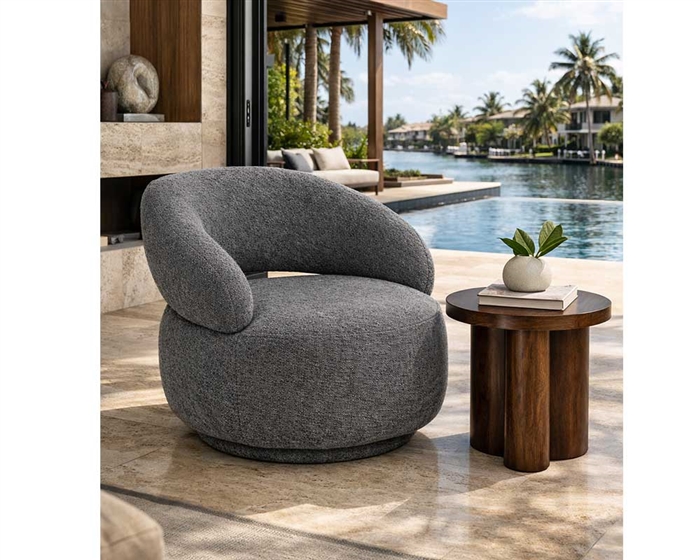
Swivel Lounge Chairs
Swivel models rotate, making them useful in open-plan spaces where you may want to turn between different conversation areas or focal points.
Accent Lounge Chairs
Accent lounge chairs combine comfort with a stronger decorative role. Materials such as velvet, bouclé, leather, and textured fabrics can turn the chair into a visual focal point.
Outdoor Lounge Chairs
If you're looking for seating designed for exterior spaces, lounge chairs outdoor options made from aluminum, rattan, synthetic wicker, and other weather-resistant materials provide similar relaxation with added durability.
Using Lounge Chairs in Different Environments
One of the biggest advantages of a lounge chair is its versatility. These aren't single-purpose pieces locked to one room or setting. From residential corners to commercial spaces, a well-chosen lounge chair can work in many different environments.
Room-by-Room Use Cases
Living rooms: Lounge chairs create inviting conversation areas alongside sofas and coffee tables.
Bedrooms: A chair placed in a bedroom corner with a throw and nearby light can create a cozy reading nook.
Small apartments and condos: A single well-selected lounge chair can provide comfortable primary seating without overwhelming a compact layout.
Home offices: A lounge chair gives you somewhere to read, think, or take a break away from the desk.
Other Environments
Beyond the home, lounge chairs appear in hotel lobbies, restaurants, offices, waiting areas, and cultural spaces. Designers use them to create environments where people are encouraged to sit comfortably and stay a while.
Benefits of Lounge Chairs
Comfort is the obvious attraction, but a lounge chair can contribute to a room in several ways.
Comfort
Deep seats, angled backs, and padded arms allow the body to settle into a more relaxed position than many upright chairs.
Versatility
Few seating pieces adapt as easily to bedrooms, living rooms, offices, patios, and commercial interiors. A lounge chair can work as a reading seat during the day and a conversation chair later.
Ergonomic Support
A properly proportioned lounge chair can support a relaxed sitting position by distributing the body across the seat and backrest. Comfort depends heavily on choosing the right seat depth, back angle, and arm height for the user.
Aesthetic Value
A well-placed lounge chair can anchor an empty corner, introduce shape or texture, and help define a specific zone within a larger room.
Pairing one with an ottoman, rug, side table, or soft lighting can create a complete relaxation area without requiring much additional furniture.
What Others Don't Tell You About Lounge Chairs
Most buying guides cover the obvious features. A few less-discussed details can make a major difference once the chair is actually in your home.
Seat Depth Affects Comfort More Than Cushion Softness
A chair that's too shallow may not support the thighs comfortably. A very deep chair can make shorter users feel as though they need to slide forward to reach the floor.
Seat depth should match the person using the chair rather than simply looking generous in a showroom.
Arm Height Changes How You Relax
Armrests that sit too high can encourage the shoulders to rise. Arms that are too low may not provide enough support. Look for a height that lets your shoulders remain relaxed.
Weight Distribution Matters
Modern lounge chairs with narrow metal legs or compact bases can move on smooth flooring. Check whether the chair has stable, non-slip feet or consider using a rug where appropriate.
Fabric Choice Affects Comfort in Warm Climates
Material choice matters even more in warm regions. Leather and heavily upholstered surfaces may retain more warmth, while fabrics such as linen can feel more breathable.
For homes in Miami and South Florida, climate can be a practical factor when choosing upholstery rather than simply a style decision.
How to Choose the Right Lounge Chair
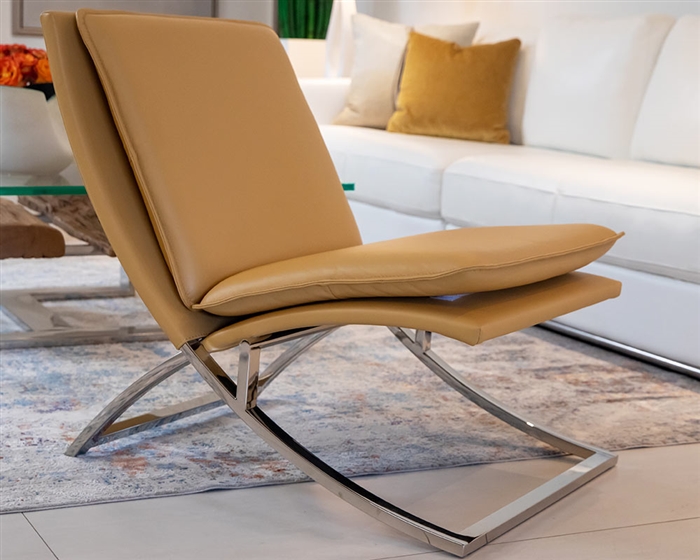
Picking the right lounge chair comes down to matching your needs with the right features. Start with purpose, then narrow the options from there.
Measure the Space
Check the width, depth, and clearance around surrounding furniture. Make sure there is enough room to comfortably walk around the chair.
Test the Dimensions
Seat depth and height matter more than many shoppers expect. Your feet should feel comfortably supported, and your back should rest naturally against the chair.
Pick the Right Material
Leather can develop character over time and is relatively straightforward to wipe clean. Linen and cotton can feel more breathable in warmer climates. Velvet adds richness and texture but may require more upkeep.
The leg and frame material also affects both stability and overall style.
Match Your Decor
A chair with clean lines works naturally in modern and contemporary interiors. Winged backs, tufting, or more traditional shapes can suit classic spaces.
The chair should complement rather than compete with nearby furniture. If it sits near an open dining area, for example, coordinate it with your dining room sets or a modern dining chair by repeating compatible colors, materials, or design lines.
Consider Durability
If you have children, pets, or expect frequent use, choose upholstery and construction that can comfortably handle your normal routine.
Buying Checklist: What to Test and Verify
Before committing to a lounge chair, run through these practical checks. A few minutes of testing can prevent buyer's regret later.
- Sit in the chair for at least a few minutes and evaluate cushion softness and support.
- Confirm that the seat height lets your feet rest comfortably.
- Rest your arms and make sure your shoulders do not feel strained or awkward.
- Give the frame a gentle push and check for excessive movement or instability.
- Compare the chair's dimensions with your room layout before buying.
Care and Maintenance Tips
A quality lounge chair is an investment, and basic upkeep can help preserve its comfort and appearance.
- Fabric such as linen, velvet, or bouclé: Vacuum regularly using a suitable soft attachment and address spills according to the manufacturer's care instructions.
- Leather: Wipe with an appropriate soft cloth and follow the manufacturer's conditioning recommendations for the specific leather type.
- Cushions: Rotate and fluff removable cushions periodically where the design allows it to encourage more even wear.
- Legs and frame: Dust wooden components and periodically check visible hardware and metal joints for looseness.
A small amount of routine maintenance can go a long way toward protecting the chair over time.
Frequently Asked Questions
Where can I use a lounge chair in my home?
You can use lounge chairs in living rooms, bedrooms, home offices, reading nooks, patios, and other areas where you want comfortable individual seating.
Can lounge chairs be used in offices or public spaces?
Yes. Lounge chairs are commonly used in hotel lobbies, restaurants, corporate lounges, reception areas, and waiting spaces where comfort and appearance both matter.
What materials are lounge chairs made from?
Common upholstery and exterior materials include leather, velvet, linen, bouclé, rattan, and wood. Frames may use solid wood, metal, or a combination of materials.
How do I choose the right lounge chair for my space?
Measure your room, determine the chair's primary use, compare seat depth and height, and choose a material and style that work with your existing furniture.
Are lounge chairs suitable for small apartments?
Yes. Compact lounge chairs and swivel designs can work well in smaller layouts, especially when one chair serves as the primary individual seating piece.
How long does a lounge chair typically last?
The lifespan depends on construction, materials, use, and maintenance. A well-built lounge chair made from durable materials and cared for properly can remain useful for many years.
Conclusion
So, what is a lounge chair? It's a piece of furniture designed with one clear purpose: giving your body a place to truly relax.
Whether tucked into a reading corner, anchoring a living room, or sitting poolside, the right lounge chair blends comfort, style, and function in a way few other seating pieces can.
Take stock of your space, think about how you'll use the chair, and compare materials and dimensions that suit your lifestyle.
Browse lounge chairs, seating, and accessories at MH2G to find pieces designed for the way you actually live.