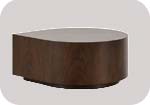


You have seen it happen. Someone points to a small table beside a sofa and calls it a side table. Another person corrects them. No, that's an end table. The room goes quiet and the confusion settles in.
This mix-up is common because these pieces live close to each other. Same size, same vibe, and same job, at least on the surface.
But the difference matters.
Just like a modern dining table, choosing the wrong end or side table can throw off the flow of a room. A table too tall makes reaching for a drink awkward. One too bulky crowds the walkway. Style suffers. Function follows.
Understanding side table vs. end table is not about labels. It is about how a room works when no one is thinking about it. When things feel easy. When nothing bumps into your knees.
Let's break it down.
What’s an End Table?
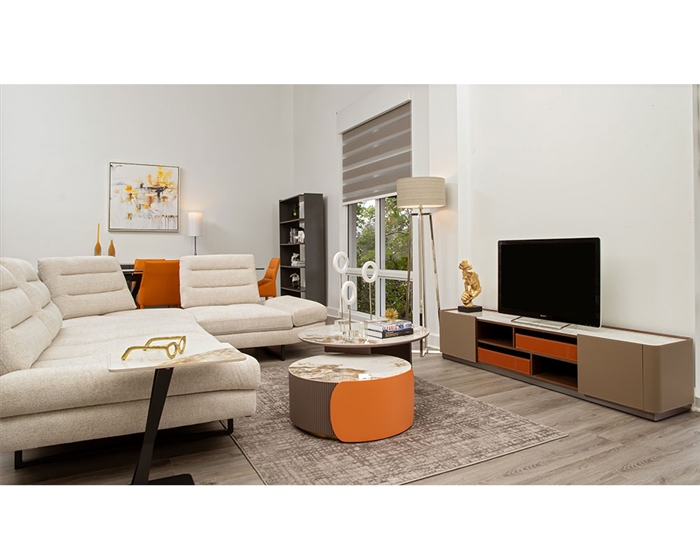
Picture a sofa. Now picture the space right beside its arm. That is home base for an end table. An end table is designed to sit at the end of seating furniture: sofas, sectionals, or lounge chairs. It stays close and stays put.
The height usually lines up with the arm of the sofa. Not higher. Not much lower. That alignment makes everyday use feel natural.
Most end tables fall into a predictable range:
- Height that matches sofa arms
- A compact square or rectangle
- Enough surface space for daily essentials
You see them working quietly. A lamp casts a soft pool of light. A mug lands without looking. A book waits within reach.
Some add drawers. Others add shelves. Storage is common but never loud. The end table supports the seating. It does not steal attention.
What Is a Side Table?
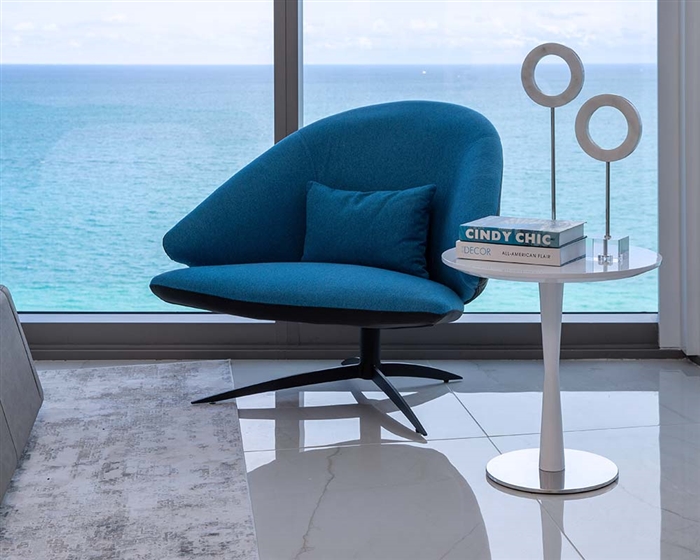
Side tables play a different game. They are not tied to sofas. They float through a home, adapting to wherever they are needed. Beside a chair, next to the bed, or in a hallway corner that felt empty yesterday.
A modern side table is about flexibility. You'll find them in places where end tables rarely go.
- Bedrooms as nightstands
- Entryways holding keys
- Corners filling awkward gaps
- Beside accent chairs
Their shapes vary more freely: round, oval, slim rectangles, and even sculptural forms that feel as much like décor as furniture.
Height is less strict. Some are taller and narrow. Others are low and wide. The role changes based on placement.
Sometimes a side table holds a lamp. Sometimes it holds nothing at all. And sometimes it is the thing that makes a space feel finished.
Core Differences Between Side Table and End Table
Let's look at what separates these two furniture pieces.
Placement
End tables live beside seating. That is their anchor. Side tables move. They follow need rather than strict furniture rules.
An end table feels more permanent, while a side table feels adaptable. That difference shapes how the rest of the room flows.
Height Targets
The end table aims for alignment. Its surface usually meets the sofa arm, which keeps drinks easy to reach and lamps at a practical height.
Side-table heights vary. Some sit lower for visual softness. Others rise higher to work beside beds or in areas where users may be standing.
Height affects comfort more than people often realize. A table that feels awkward to use is frequently the wrong height.
Size and Footprint
End tables usually stay compact. They need to respect the limited area around seating. Too large, and the sofa can feel trapped.
Side tables have more freedom. Slim profiles work in tight corners, while wider tops can work where more room is available.
Room suitability should decide the winner here, not trends.
Function and Storage
End tables often do more daily work. Drawers, shelves, and hidden storage help support everyday routines.
Side tables can lean more decorative. Storage is optional, and their ability to move or provide visual balance may matter more than capacity.
Side Table vs End Table: Key Differences at a Glance
| Feature | End Table | Side Table |
|---|---|---|
| Size | Compact and structured | Flexible and varied |
| Height | Usually matches sofa arms | Varies by use |
| Placement | Beside sofas or chairs | Anywhere needed |
| Functionality | Daily use and storage | Decorative or occasional use |
| Design Flexibility | More structured | More expressive |
Choosing the Right Table for Your Space
The table you choose can act as an important supporting element in the room, so consider how it affects space, function, and style.
Space and Layout Considerations
Small rooms demand discipline. End tables work well when space is tight around seating because their predictable footprint helps keep walkways clear.
Side tables shine in awkward layouts, narrow corners, and empty gaps. They can work in places where a full end table would feel heavy.
Always watch the traffic flow. If you have to sidestep furniture to move through the room, the table may be in the wrong spot or simply too large.
Functionality vs. Style
Ask a simple question: What will land on this table most days?
If the answer is lamps, drinks, remotes, and everyday essentials, an end table earns its keep. If the answer is occasional use or visual balance, a side table may be a better fit.
Some spaces need both. One works while the other decorates.
Budget and Space
End tables can sometimes cost more because additional storage and structure add complexity.
Side tables may offer better value when living space is limited or when your needs change often. If a table may move into another room later, flexibility can matter more than extra features.
When to Choose an End Table vs. a Side Table
Choose an End Table When:
- It will sit beside a sofa or sectional
- You need surface space every day
- Storage matters
Choose a Side Table When:
- The space or furniture arrangement is flexible
- You need visual balance
- The table may move between rooms
Room by room, patterns emerge. Living rooms often benefit from end tables near the primary seating. Bedrooms lean toward side tables or nightstand-style pieces. Entryways favor slim side tables that add function without blocking movement.
Can You Use Both Together?
Absolutely. A room does not need perfect symmetry to feel calm. Mixing side tables and end tables can add rhythm. An end table can anchor the sofa while a side table softens the opposite side.
Balance comes from spacing, not necessarily matching. Keep finishes related, vary shapes thoughtfully, and let each table do its job.
When furniture stops competing, the room breathes. That is often when the design starts to feel natural.
Styling Tips for Side Tables and End Tables
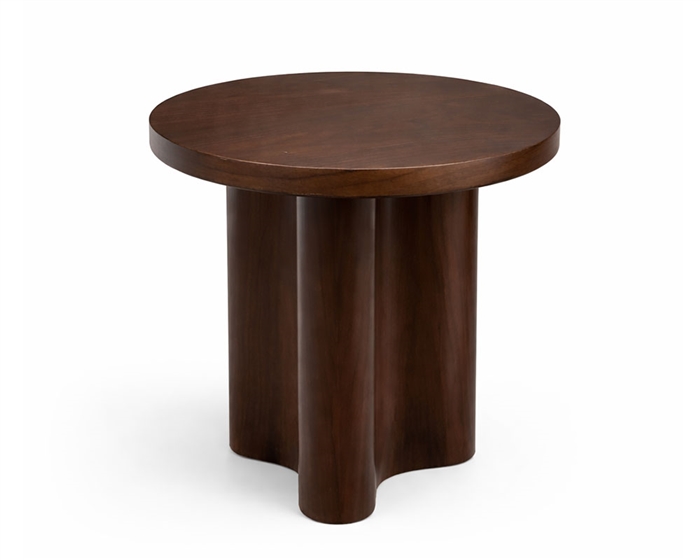
A table on its own is just furniture. A styled table feels intentional. Start with the obvious companion: lighting.
A lamp should feel proportional rather than overpowering. On an end table, the lamp shade will often feel most natural when it relates comfortably to seated eye level.
For slim side tables, smaller lamps or nearby wall lighting can provide illumination without crowding the surface.
Then come the objects that tell a story:
- A book that looks handled
- A bowl that catches the light
- A single plant that softens rigid lines
Avoid filling every inch. Negative space gives the table room to breathe.
Material and finish coordination does not mean everything has to match. It means the materials should have a conversation. Wood pairs naturally with ceramic. Metal can feel warmer beside fabric. Glass benefits from nearby texture.
Think in contrasts.
Modern interiors often favor clean lines and restraint. One sculptural object may be enough. Let the shape do the work.
Traditional spaces can support more layers: a table lamp, a decorative object, a stack of books, or a framed photo. The table becomes part of a larger visual story.
Minimalist rooms demand discipline. One or two items may be sufficient. Anything extra can start to feel loud.
Side tables tend to handle bolder decorative moves more easily, while end tables near primary seating often benefit from a little more restraint.
Common Mistakes to Avoid with End Tables and Side Tables
Apart from understanding your seating area and knowing how much storage you need, there are several common mistakes worth avoiding.
Going Too Tall
Height mistakes can make a table uncomfortable quickly. An end table that sits significantly higher than the sofa arm can create awkward reaches. A side table that towers over nearby seating can feel intrusive.
Blocking Walkways
Tables should support movement rather than interrupt it. If you constantly have to angle your body to get past the table, reconsider the placement or size.
Matching Everything Too Perfectly
Two identical end tables can work, but the rest of the room can benefit from some contrast in shape, finish, texture, or accessories.
Ignoring Rug Thickness
Consider how table legs meet the rug. The table should sit confidently and remain stable rather than sinking or tilting awkwardly on a thick surface.
Skipping Cable Management
If lamps or charging devices will sit on the table, think about cables before styling the area. Tables with discreet openings or well-planned cable routes can keep the surface looking cleaner.
Which Table Is Right for You?
Choosing between these tables does not require a design degree. It requires being honest about how the room is actually used.
Quick decision checklist
- Will this table be used every day?
- Does it sit beside seating or float freely?
- Do I need storage or just a surface?
- Is the space fixed or flexible?
Consider your lifestyle, space, and design preferences. Busy households can benefit from end tables with storage because remotes and small items have somewhere to go.
Small homes can benefit from side tables that move when needed. One table can perform several roles.
Design taste matters, but daily habits matter more. A beautiful table that does not work for your routine will eventually feel wrong.
The debate over side table vs. end table is not about right or wrong. It is about fit.
End tables anchor seating. Side tables adapt to the space. One brings structure. The other brings flexibility.
Knowing what you need makes every room feel calmer.
Frequently Asked Questions (FAQs)
Can a side table be used as an end table?
Yes. If the height aligns comfortably with the sofa arm and the size fits the available space, a side table can easily serve as an end table.
Can a side table have drawers or storage like an end table?
It can. Storage may be less common on highly decorative side tables, but many designs include drawers or shelves without losing their flexibility.
Are C-shaped tables considered end tables or side tables?
They sit somewhere between both categories. Their design allows them to slide close to or partially underneath seating, giving them the functionality of an end table with the portability of a side table.
Is an end table necessary in a living room?
Not always. Some smaller spaces work better with side tables or modern coffee tables alone. It depends on the seating arrangement and how the room is used every day.
Which is better for small spaces: a side table or an end table?
Side tables often have an advantage in compact spaces because their lighter footprints and flexible placement make them easier to move or repurpose.
Conclusion
Side tables and end tables may look similar, but they behave differently. One anchors while the other adapts. One supports daily routines while the other fills gaps with ease.
Before choosing, pause and watch how the room is used. Notice where hands reach and where people walk. Living room furniture that works quietly is usually the furniture that feels right.
If you want to explore options, compare sizes, and find pieces that suit your living room, visit MH2G Furniture. The right table should support both the way your space looks and the way you use it.